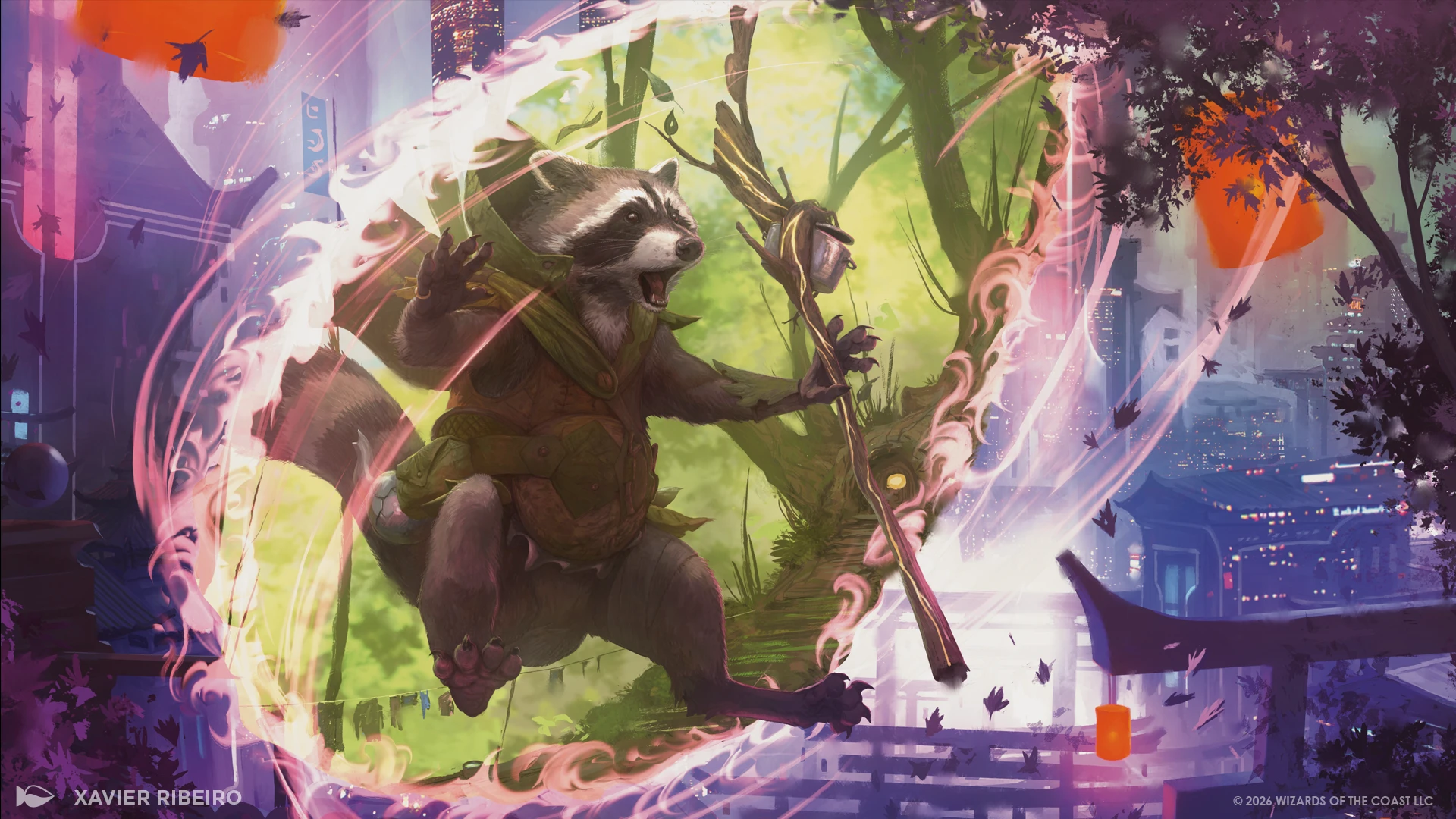
Planar Cube Draft, July 21–August 8
If you'd like to skip the introduction, you can skip ahead to core cards, the current planar module, or the design process. If you're joining us after Planar Cube has planeswalked, you can also skip ahead to the revealed planar modules.
Table of Contents
What Is Planar Cube?
Cube is like Booster Draft but pulls cards from across Magic's history. There are all sorts of permutations of cubes, from high-powered to rarity-restricted, special rules to color-restricted, and many, many more flavors.
Planar Cube is novel in that it planeswalks every week. Each Tuesday, we'll visit a new plane, and the majority of the cube will rotate, pulling cards in from across all of Magic to celebrate the themes, mechanics, and aesthetics of the host plane.
Planar Cube has two components
- The 200-card planar core: This doesn't change from week to week. Expect lands, removal, staple effects, and cards which will play well and differently on different planes.
- A 360-card planar module that rotates: This contains many of the most impactful cards, both from a power-level and thematic perspective. Many of the cards will be from the host plane, but many more will be from other parts of Magic—from Magic Multiverse sets to Universes Beyond sets. But all of them will support the host plane's mechanics and themes. For our inaugural Planar Cube, we're testing a rule: if a card appears in one planar module, it does not appear in any of the others—it's only around for one week. You can expect the cube to feel very different each week.
Planar Cube is …
- Fluctuating: Because Planar Cube changes so drastically, you should expect a different experience each week. The cards are strong, but which cards you'll use and how you'll use them will change.
- Strong: Planar Cube uses many of the most powerful and iconic cards from across MTG Arena, so expect something higher octane than normal drafts. It's strong, but it's not power-full like Arena Powered Cube, so expect a different texture to the experience.
- Mostly Singleton: Each iteration of Planar Cube contains 560 cards with a handful of duplicates.
- Phantom: In tabletop, a cube is lent out to players who return the cards at the end of the draft, and the same is true here. Cards drafted are not added to a player's collection.
How to Draft Planar Cube
While some people have been playing Cube for decades, Planar Cube will be an introduction to the format for others. And there haven't been any cubes on MTG Arena like Planar Cube. So, we want to give you a brief guide before you jump into the deep end.
Cube exists somewhere between Booster Draft and Constructed. Like in a normal draft, you want to draft intrinsically powerful cards that demand an answer from your opponent and cards that will answer your opponents' cards. As in Constructed, everyone has access to plenty of strong cards, so you need to find ways to make your deck outperform theirs—such as utilizing synergies to make your cards more than the sum of their parts or drafting a strong mana base to keep you from stumbling.
The 200-card core of Planar Cube contains plenty of great ways to maximize your mana and answer your opponents' threats but few ways to win the game. You'll rely on the cards connected to the home plane for power and synergy, and each plane works differently.
In general, you can expect to see certain staple archetypes:
- Aggro: Pick a base color—often but not always red or white—and draft a lot of cheap creatures and removal.
- Midrange: Draft a mixture of cheap disruption and threats in the two- to four-mana range so you can stymie aggro decks and pressure slower decks.
- Control: This is often centered in blue or black. Remove all your opponents' threats and win the long game with one big finisher or by drawing more cards than your opponent.
- Ramp: This is primary in green. Generate extra mana in the early turns and play bigger spells faster than your opponents can.
- Multicolor good stuff: Prioritize mana fixing early, play three or more colors, and wield every effect and archetype in the cube … if your mana can handle it.
These are the broadest archetypes. Each plane offers its own texture of gameplay, such as how the Zendikar version of the cube includes three copies of Misty Rainforest to make cards like Hydroponics Architect, Tireless Tracker, Treasure Cruise, and Mystic Sanctuary even stronger.
Planar Core Cards
Swords to Plowshares (STA)
Hydroponics Architect (Y25-EOE)
Dark Confidant (J25)
Abrade (SOA)
Emeritus of Abundance (SOS)
Arid Mesa (SPG)
The core of Planar Cube contains 200 cards that remain the same as the cube planeswalks and rotates. It has powerful cards—especially for mana fixing and removal—but fewer cards that will win the game outright. Many of its cards are selected because they play well and differently on different planes, but you'll have to figure out those synergies on your own.
Select a symbol to see contents of the planar core.
White
Benalish Knight-Counselor
Kytheon, Hero of Akros
Novice Inspector
Nurturing Pixie
Splitskin Doll
Sun-Blessed Healer
Clarion Conqueror
Flickerwisp
Loran of the Third Path
Ranger of Eos
Baneslayer Angel
Condemn
Path to Exile
Swords to Plowshares
Get Lost
Reprieve
Unexpectedly Absent
Three Tree Battalion
Prismatic Ending
Damn
Day of Judgment
Portable Hole
Journey to Nowhere
Ossification
Banishing Light
Blue
Hydroponics Architect
Mockingbird
Spyglass Siren
Jace, Vryn's Prodigy
Mischievous Mystic
Thundertrap Trainer
Chrome Host Seedshark
Steamcore Scholar
Nightclub Bouncer
Sphinx of Forgotten Lore
Opt
Repeal
Consult the Star Charts
Counterspell
Impulse
Make Disappear
Mana Leak
Memory Lapse
Negate
Remand
Three Steps Ahead
Dig Through Time
Ponder
Preordain
Chart a Course
Treasure Cruise
Black
Runeblade Raiser
Accursed Marauder
Dark Confidant
Marionette Apprentice
Mire Triton
Cackling Observer
Murderous Rider
Pearl Collector
Rotting Regisaur
Unstoppable Slasher
Cut Down
Fatal Push
Bitter Triumph
Doom Blade
Sheoldred's Edict
Pile On
Bone Shards
Inquisition of Kozilek
Unearth
Fell
Night's Whisper
Damnation
Gix's Command
Nowhere to Run
Virtue of Persistence
Red
Greasewrench Goblin
Grim Lavamancer
Dreadhorde Arcanist
Fear of Missing Out
Shocking Sharpshooter
Young Pyromancer
General Kreat, the Boltbringer
Professional Face-Breaker
Thunderbreak Regent
Twinflame Tyrant
Burst Lightning
Lightning Bolt
Abrade
Betrayer's Bargain
Overwhelming Surge
Chain Lightning
Flame Slash
Pillar of Flame
Anguished Recollection
Boulder Dash
Molten Impact
Roil Eruption
Anger of the Gods
Light Up the Stage
Pyrite Spellbomb
Green
Birds of Paradise
Elvish Mystic
Insidious Fungus
Llanowar Elves
Slumbering Trudge
Cankerbloom
Environmental Scientist
Scavenging Ooze
Shigeki, Jukai Visionary
Sylvan Caryatid
Tarmogoyf
Boon Satyr
Emeritus of Abundance
Formidable Speaker
Six
Tireless Tracker
Wingbane Vantasaur
Kogla, the Titan Ape
Lumra, Bellow of the Woods
Titan of Industry
Snakeskin Veil
Tear Asunder
Green Sun's Zenith
Primal Might
Malevolent Rumble
Ranger Class
Colorless
Containment Construct
Razorlash Transmogrant
Scrapwork Mutt
Phyrexian Dragon Engine
Solemn Simulacrum
Mishra's Bauble
Chromatic Sphere
Chromatic Star
Soul-Guide Lantern
Coldsteel Heart
Mind Stone
Key to the Archive
Multicolor
Kolaghan's Command
Deathrite Shaman
Binding the Old Gods
Rip Apart
Applied Geometry
Land
Flooded Strand
Glacial Fortress
Hallowed Fountain
Meticulous Archive
Drowned Catacomb
Polluted Delta
Undercity Sewers
Watery Grave
Blood Crypt
Bloodstained Mire
Dragonskull Summit
Raucous Theater
Commercial District
Rootbound Crag
Stomping Ground
Wooded Foothills
Lush Portico
Sunpetal Grove
Temple Garden
Windswept Heath
Godless Shrine
Isolated Chapel
Marsh Flats
Shadowy Backstreet
Scalding Tarn
Steam Vents
Sulfur Falls
Thundering Falls
Overgrown Tomb
Underground Mortuary
Verdant Catacombs
Woodland Cemetery
Arid Mesa
Clifftop Retreat
Elegant Parlor
Sacred Foundry
Breeding Pool
Hedge Maze
Hinterland Harbor
Misty Rainforest
Spara's Headquarters
Raffine's Tower
Xander's Lounge
Ziatora's Proving Ground
Jetmir's Garden
Savai Triome
Ketria Triome
Indatha Triome
Raugrin Triome
Zagoth Triome
Captivating Crossroads
Desert Cenote
Echoing Cavern
Fabled Passage
Forsaken Crossroads
Prismatic Vista
Planar Module Contents
Each week, Planar Cube will rotate and planeswalk to a new plane in the Magic Multiverse. The planar core stays the same, but the 360-card planar module will change. You can see the contents of the revealed planar modules and discussion of their identities below!
Week One: Zendikar
(July 21–27)
Polluted Delta (KTK)
Bloodstained Mire (KTK)
Windswept Heath
Arid Mesa (SPG)
Misty Rainforest (SPG)
Skyclave Apparition (ZNR)
Brainstorm (STA)
Bloodghast (ZEN)
Impetuous Lootmonger (Y24-OTJ)
Scythecat Cub (J25)
Thought-Knot Seer (OGW)
Risen Reef (ECC)
Welcome to Zendikar, a world of adventure, landfall, and most importantly, fetch lands. While Zendikar is the host plane, there are three copies of each fetch land and an abundance of mana fixing. Build an ambitious mana base, fill the stack with landfall triggers, and have access to some of the strongest low-cost, assertive cards from across the Multiverse. If you enjoyed the last few versions of Arena Cube, you'll enjoy your stay on Zendikar. During your stay, you might also see some additional copies of Thought-Knot Seer and Risen Reef, but that's probably nothing … right?
Select a symbol to see contents of the Zendikar planar module.
White
Elite Interceptor
Giver of Runes
Legion's Landing
Lightstall Inquisitor
Ocelot Pride
Ruby Collector
Ambrosia Whiteheart
Archivist of Oghma
Dedicated Dollmaker
Gloryheath Lynx
Glyph Elemental
Luminarch Aspirant
Prairie Survivalist
Sunstar Expansionist
Voice of Victory
White Orchid Phantom
Archon of Emeria
Blade Splicer
Eldrazi Displacer
Emeritus of Truce
Sage of the Skies
Skyclave Apparition
Stalwart Realmwarden
Vesperlark
Archangel of Wrath
Beza, the Bounding Spring
Warren Warleader
Cavalier of Dawn
Gideon, Ally of Zendikar
Elspeth, Sun's Champion
Erode
Mana Tithe
Oust
Sunfall
Maul of the Skyclaves
Felidar Retreat
Virtue of Loyalty
Leyline Binding
Blue
Agent of Raffine
Flitterwing Nuisance
Harmonized Trio
Ruin Crab
Sleep-Cursed Faerie
Emerald Collector
Faerie Mastermind
Floodpits Drowner
Loch Mare
Malcolm, Alluring Scoundrel
Roil Cartographer
Sea Gate Stormcaller
Wan Shi Tong, Librarian
Aether Channeler
Brazen Borrower
Cloudkin Seer
Kitesail Larcenist
Oracle of the Alpha
Rimekin Recluse
Skycoach Conductor
Thieving Aven
Ojer Pakpatiq, Deepest Epoch
Stoic Sphinx
Talion's Throneguard
Cavalier of Gales
Emeritus of Ideation
Quantum Riddler
Horned Loch-Whale
Nulldrifter
Sunderflock
Jace, Mirror Mage
Jace, the Mind Sculptor
Brainstorm
Force Spike
Spell Snare
Into the Roil
Brainsurge
Exclude
Force of Negation
See Double
Force of Will
Part the Waterveil
Black
Evolved Sleeper
Iridescent Vinelasher
Knight of the Ebon Legion
Acquisitions Expert
Bitterbloom Bearer
Bloodghast
Caustic Bronco
Deep-Cavern Bat
Gatekeeper of Malakir
Nullpriest of Oblivion
Skyclave Shade
Tenacious Underdog
Terrors of the Track
Tourach, Dread Cantor
Zulaport Cutthroat
Drana, Liberator of Malakir
Gix, Yawgmoth Praetor
Nighthawk Scavenger
Preacher of the Schism
Elegy Acolyte
Gonti, Lord of Luxury
Kalitas, Traitor of Ghet
Aclazotz, Deepest Betrayal
Cavalier of Night
Harvester of Misery
Maha, Its Feathers Night
Ob Nixilis Reignited
Liliana, Dreadhorde General
Disfigure
Grave Expectations
Go for the Throat
Grasp of Darkness
Lonely End
Bloodchief's Thirst
Thoughtseize
Painful Truths
Ruinous Path
Toxic Deluge
Red
Akoum Hellhound
Dragonmaster Outcast
Hired Claw
Kellan, Planar Trailblazer
Shivan Devastator
Draconautics Engineer
Emeritus of Conflict
Explosive Prodigy
Flamebraider
Impetuous Lootmonger
Kargan Intimidator
Mine Security
Radha's Firebrand
Reckless Pyrosurfer
Robber of the Rich
Runaway Steam-Kin
Thunderkin Awakener
Eldrazi Linebreaker
Goblin Rabblemaster
Legion Warboss
Maelstrom Artisan
Zell Dincht
Kari Zev, Crew of Two
Magmatic Hellkite
Rampaging Raptor
Sunspine Lynx
Bonehoard Dracosaur
Cavalier of Flame
Goblin Dark-Dwellers
Nova Hellkite
Inferno Titan
Chandra, Torch of Defiance
Chandra, Awakened Inferno
Chandra, Flamecaller
Ghostfire Slice
Hurloon Battle Hymn
Valakut Awakening
Plasma Bolt
Cleansing Wildfire
Shatterskull Smashing
Tribal Flames
Radiant Flames
Sundering Eruption
Cori-Steel Cutter
Embercleave
Valakut Exploration
Green
Arboreal Grazer
Ignoble Hierarch
Noble Hierarch
Sazh's Chocobo
Bristly Bill, Spine Sower
Deeproot Wayfinder
Jet Collector
Lotus Cobra
Menagerie Curator
Mosswood Dreadknight
Routeway Moose
Scythecat Cub
Springheart Nantuko
Tifa Lockhart
Courser of Kruphix
Dryad of the Ilysian Grove
Kazandu Mammoth
Nissa, Resurgent Animist
Nissa, Vastwood Seer
Sandman, Shifting Scoundrel
Sutina, Speaker of the Tajuru
Thief of Existence
Tireless Provisioner
Undergrowth Champion
Wary Zone Guard
Blossoming Tortoise
Goldvein Hydra
Icetill Explorer
Mightform Harmonizer
Mythweaver Poq
Oracle of Mul Daya
Sowing Mycospawn
Wildgrowth Archaic
Woodland Wanderer
Ashaya, Soul of the Wild
Cavalier of Thorns
Fecund Greenshell
Greensleeves, Maro-Sorcerer
Vorinclex
Whisperwood Elemental
Multani, Yavimaya's Avatar
Primeval Titan
World Breaker
Nissa, Voice of Zendikar
Nissa, Who Shakes the World
Explore
Bala Ged Recovery
Oath of Nissa
Utopia Sprawl
Earthbender Ascension
Omenpath Journey
Sapling Nursery
Colorless
Wastescape Battlemage
Glaring Fleshraker
Matter Reshaper
Spirited Simulacrum
Thought-Knot Seer
Thought-Knot Seer
Golos, Tireless Pilgrim
Sire of Seven Deaths
Ulamog, the Ceaseless Hunger
Kozilek's Command
Prophetic Prism
Weather Maker
Hedron Archive
The Regalia
Multicolor
No More Lies
Reflector Mage
Teferi, Time Raveler
Teferi, Hero of Dominaria
Ashiok, Nightmare Weaver
Weave the Nightmare
Ertai Resurrected
Rusko, Clockmaker
Deceit
Kroxa, Titan of Death's Hunger
Molten Collapse
Crucias, Titan of the Waves
Polterheist
Grenzo, Crooked Jailer
Brushfire Elemental
Territorial Kavu
Wrenn and Six
Tannuk, Memorial Ensign
Vibrance
Figure of Fable
Voice of Resurgence
Emmara, Voice of the Conclave
Knight of the Reliquary
Buried in the Garden
Darkstar Banisher
Lurrus of the Dream-Den
Teysa, Opulent Oligarch
Emptiness
Moment of Reckoning
Expressive Iteration
Illuminating Lash
Eclipsed Flamekin
Paradigm Shifter
Salacinder and Soot, Rascals
Ashling's Command
Chevill, Bane of Monsters
Kraven the Hunter
Sarulf, Realm Eater
Professor Dellian Fel
Lord of Extinction
Ygra, Eater of All
Lightning Helix
Jewel Mine Overseer
Phlage, Titan of Fire's Fury
Showdown of the Skalds
Tajic, Legion's Valor
Nahiri's Resolve
Sundering Sentinel
Ambassador of Evendo
Genemorph Imago
Risen Reef
Risen Reef
Risen Reef
Slogurk, the Overslime
Uro, Titan of Nature's Wrath
Wistfulness
Triumphant Getaway
Soul of Windgrace
Back-Alley Gardener
Mardu Thunderkite
Omnath, Locus of the Roil
Ureni, the Song Unending
Shiko, Paragon of the Way
Yarok, the Desecrated
Omnath, Locus of Creation
Jegantha, the Wellspring
Land
Adarkar Wastes
Flooded Strand
Flooded Strand
Gleaming Bastion
Restless Anchorage
Hidden Lair
Polluted Delta
Polluted Delta
Restless Reef
Underground River
Bloodstained Mire
Bloodstained Mire
Dark Fortress
Restless Vents
Sulfurous Springs
Karplusan Forest
Restless Ridgeline
Training Compound
Wooded Foothills
Wooded Foothills
Brushland
Gathering Place
Restless Prairie
Windswept Heath
Windswept Heath
Caves of Koilos
Marsh Flats
Marsh Flats
Restless Fortress
Restless Spire
Scalding Tarn
Scalding Tarn
Shivan Reef
Llanowar Wastes
Restless Cottage
Verdant Catacombs
Verdant Catacombs
Arid Mesa
Arid Mesa
Battlefield Forge
Restless Bivouac
Misty Rainforest
Misty Rainforest
Restless Vinestalk
Yavimaya Coast
Tranquil Landscape
Contaminated Landscape
Seething Landscape
Twisted Landscape
Sheltering Landscape
Shattered Landscape
Bountiful Landscape
Deceptive Landscape
Perilous Landscape
Foreboding Landscape
Crumbling Vestige
Den of the Bugbear
Field of Ruin
Field of the Dead
Gate to the Citadel
Lair of the Hydra
Mutavault
Mystic Sanctuary
Spymaster's Vault
Week Two: Innistrad
(July 28–August 2)
Thalia's Lieutenant (J21)
Rise from the Tides (INR)
Champion of the Perished (MID)
Fiery Temper (INR)
Spider Spawning (INR)
Welcome to Innistrad, a world of madness, Zombies, Humans, Vampires, and ever-growing graveyards. Innistrad Planar Cube is the most mechanics-forward cube ever seen on MTG Arena. You can build a black-heavy Zombie deck, dedicate your deck to madness and mayhem (possibly with a Vampire subtheme or a blue splash for Rise from the Tides), or fill your graveyard for a massive Spider Spawning. You don't have to commit hard to any particular archetype (the truism of "just take the good cards" always applies), but your aggro deck is likely to incidentally benefit from Human, Zombie, or Vampire synergies.
Select a symbol to see contents of the Innistrad planar module.
White
Doomed Traveler
Hopeful Initiate
Thraben Inspector
Unbreakable Remnant
Cathar Commando
Clarion Spirit
Coppercoat Vanguard
Fleeting Spirit
Hanweir Militia Captain
Intrepid Adversary
Mikaeus, the Lunarch
Phyrexian Missionary
Selfless Spirit
Sigardian Evangel
Sungold Sentinel
Thalia, Guardian of Thraben
Thalia's Lieutenant
Thalia's Lieutenant
Thalia's Lieutenant
Adeline, Resplendent Cathar
Brutal Cathar
Bygone Bishop
Elite Spellbinder
Extraction Specialist
Guardian of Faith
Lingering Souls
Monastery Mentor
Sanguine Evangelist
Thalia, Heretic Cathar
Welcoming Vampire
Cemetery Protector
Gisela, the Broken Blade
Lam, Storm Crane Elder
Restoration Angel
Serra Paragon
Witch Enchanter
Archangel Avacyn
Cerise, Slayer of Fear
Bruna, the Fading Light
Fateful Absence
Thraben Charm
Settle the Wreckage
Declaration in Stone
Antiquities on the Loose
By Invitation Only
Descend upon the Sinful
Sheltered by Ghosts
Borrowed Time
Sanctuary Lockdown
Wedding Announcement
Blue
Delver of Secrets
Exhibition Tidecaller
Hard Evidence
Spectral Sailor
Clone Crafter
Fallaji Archaeologist
Ledger Shredder
Malevolent Hermit
Picklock Prankster
Shoreline Looter
Snapcaster Mage
Spectral Adversary
Suspicious Stowaway
Thassa's Oracle
Thing in the Ice
Cemetery Illuminator
Geralf, the Fleshwright
Jadzi, Steward of Fate
Kiora, the Rising Tide
Poppet Stitcher
Sibsig Appraiser
Vana'diel Adventurers
Dungeon Geists
God-Eternal Kefnet
Niblis of Frost
Obsessive Collector
Organ Hoarder
Overcharged Amalgam
Vizier of Many Faces
Archmage of Runes
Geralf's Masterpiece
Lier, Disciple of the Drowned
Dream Eater
Eddymurk Crab
Hullbreaker Horror
Jace, Wielder of Mysteries
Consider
Fading Hope
Thought Scour
Syncopate
Think Twice
Forbidden Alchemy
Thirst for Discovery
Commit // Memory
Memory Deluge
Intrude on the Mind
Silent Departure
Callous Dismissal
Flow State
Pieces of the Puzzle
Deep Analysis
Startled Awake
Rise from the Tides
Rise from the Tides
Tome of Gadwick
Riverchurn Monument
Essence Anchor
Stormchaser's Talent
Black
Champion of the Perished
Champion of the Perished
Champion of the Perished
Cryptbreaker
Indulgent Aristocrat
Stitcher's Supplier
Asylum Visitor
Blood Artist
Priest of Forgotten Gods
Relentless Dead
Sorin of House Markov
Undead Augur
Undead Butler
Voldaren Bloodcaster
Zul Ashur, Lich Lord
Blood Operative
Diregraf Colossus
Graveyard Trespasser
Jerren, Corrupted Bishop
Liliana, Heretical Healer
Markov Baron
Midnight Reaper
Morbid Opportunist
Xathrid Necromancer
Yahenni, Undying Partisan
Bloodline Keeper
Bloodvial Purveyor
Emeritus of Woe
Graveshifter
Hell Mongrel
Mindwrack Demon
Champion of Dusk
Doom Whisperer
Gisa, the Hellraiser
High-Society Hunter
Necrogoyf
Vein Ripper
Gorex, the Tombshell
Griselbrand
Liliana, the Last Hope
Sorin, Imperious Bloodlord
Davriel, Soul Broker
Sorin the Mirthless
Cling to Dust
Infernal Grasp
Sadistic Slash
Sadistic Slash
Dark Salvation
Reanimate
Unburial Rites
Blood Fountain
Cryptcaller Chariot
Cursecloth Wrappings
Dead Weight
Animate Dead
The Meathook Massacre
Blighted Nightmare
Liliana's Mastery
Red
Blazing Rootwalla
Dragon's Rage Channeler
Falkenrath Gorger
Falkenrath Pit Fighter
Insolent Neonate
Stromkirk Noble
Voldaren Epicure
Bloodthirsty Adversary
Cemetery Gatekeeper
Coruscation Mage
Ivora, Insatiable Heir
Molten-Core Maestro
Rahilda, Wanted Cutthroat
Smoldering Egg
Thermo-Alchemist
Anje's Ravager
Hanweir Garrison
Phoenix of Ash
Reckless Stormseeker
Sapphire Collector
Seasoned Pyromancer
Stromkirk Occultist
Tersa Lightshatter
Voldaren Thrillseeker
Ashling, Flame Dancer
Hellrider
Manaform Hellkite
Moonveil Regent
Spider-Islanders
Incorrigible Youths
Ox of Agonas
Raging Goblinoids
Reckless Wurm
Spinerock Tyrant
Zealous Conscripts
Chomping Mastasaur
Markov Enforcer
Bedlam Reveler
Lightning Axe
Lightning Axe
Play with Fire
Unholy Heat
Faithless Salvaging
Brimstone Volley
Fiery Temper
Fiery Temper
Fiery Temper
Stoke the Flames
Faithless Looting
Avacyn's Judgment
Highway Robbery
Incendiary Flow
Collective Defiance
Exquisite Firecraft
Honor the God-Pharaoh
Steal the Show
Alchemist's Greeting
Burn Down the House
Devil's Play
Cool but Rude
The Rollercrusher Ride
Green
Avacyn's Pilgrim
Gnarlwood Dryad
Grist, Voracious Larva
Molt Tender
Patchwork Beastie
Aftermath Analyst
Duskwatch Recruiter
Fauna Shaman
Hamlet Captain
Mayor of Avabruck
Outland Liberator
Reclusive Taxidermist
Satyr Wayfinder
Satyr Wayfinder
Torgal, A Fine Hound
Urborg Lhurgoyf
Augur of Autumn
Eccentric Farmer
Eternal Witness
Hauntwoods Shrieker
Omnivorous Flytrap
Spineseeker Centipede
Spinner of Souls
Titania, Voice of Gaea
Vastlands Scavenger
Ishkanah, Broodmother
Lasyd Prowler
Moon-Vigil Adherents
Nantuko Slicer
Nightpack Ambusher
Timeless Witness
Ulvenwald Oddity
Balustrade Wurm
Ishkanah, Grafwidow
Avabruck Caretaker
Nemesis of Mortals
Tovolar's Huntmaster
Diamond Weapon
Garruk Relentless
Wrenn and Seven
Turn the Earth
Grapple with the Past
Midnight Tilling
Gnaw to the Bone
Traverse the Ulvenwald
Woodland Investigation
Gaea's Blessing
Mulch
Regrowth
Travel Preparations
Winding Way
Under the Skin
Spider Spawning
Spider Spawning
Spider Spawning
Seasons Past
Roar of the Wurm
Hedge Shredder
Vessel of Nascency
Dredger's Insight
Verdant Dread
Colorless
Emrakul, the Promised End
Jack-o'-Lantern
Scrabbling Claws
Monument to Endurance
Rocket-Powered Goblin Glider
God-Pharaoh's Gift
Multicolor
Geist of Saint Traft
Spell Queller
Teferi, Who Slows the Sunset
Diregraf Captain
Prized Amalgam
Tomebound Lich
Gisa and Geralf
Enter the God-Eternals
The Scarab God
Bloodtithe Harvester
Olivia, Mobilized for War
Anje, Maid of Dishonor
Bloodhall Priest
Carnage, Crimson Chaos
Falkenrath Aristocrat
Terminal Agony
Jarsyl, Dark Age Scion
Arlinn Kord
Arlinn, the Pack's Hope
Halana and Alena, Partners
Huntmaster of the Fells
Katilda, Dawnhart Prime
Torens, Fist of the Angels
Sigarda, Champion of Light
Sigarda, Font of Blessings
Anguished Unmaking
General Kudro of Drannith
Edgar, Charmed Groom
Liesa, Forgotten Archangel
Obzedat, Ghost Council
Phoenix of Iteration
Rielle, the Everwise
Captain Howler, Sea Scourge
Ill-Timed Explosion
Prophetic Titan
Fiend Artisan
Grim Flayer
Lluwen, Imperfect Naturalist
Gitrog, Horror of Zhava
The Swarmweaver
The Gitrog Monster
Ark of Hunger
Nahiri, the Harbinger
Winota, Joiner of Forces
Kishla Skimmer
Vilespawn Spider
Tamiyo, Collector of Tales
Colossal Skyturtle
Katilda and Lier
Thalia and The Gitrog Monster
Teval, the Balanced Scale
Muldrotha, the Gravetide
Land
Deserted Beach
Shipwreck Marsh
Haunted Ridge
Rockfall Vale
Overgrown Farmland
Shattered Sanctum
Stormcarved Coast
Deathcap Glade
Sundown Pass
Dreamroot Cascade
Argoth, Sanctum of Nature
Hanweir Battlements
Shifting Woodland
Urborg, Tomb of Yawgmoth
Week Three: Kamigawa
(August 4–10)
The Wandering Emperor (NEO)
Ninja of the Deep Hours (J25)
Swarm Saboteur(Y22-NEO)
Goblin Engineer (TSR)
Sanctum Weaver (WOC)
Steel Overseer (EOC)
Ingenious Infiltrator (MH1)
Sythis, Harvest's Hand
Welcome to Kamigawa, the final stop for this iteration of Planar Cube. Kamigawa is a world with modernity and artifacts on one side and tradition and enchantments on the other. It is a world of ninjas in the shadows and dragons overhead. Expect to see decks that commit hard to their theme, whether that's artifacts, enchantments, or Ninja creatures (who employ ninjutsu and sneak in this cube). There are slightly more mana-fixing effects for blue-black and green-white, as those color pairs are likely to be heavily contested, but every color has its own supply of artifact, enchantment, and Ninja support. And you might even see some decks use Dragons to extra effect.
Select a symbol to see contents of the Kamigawa planar module.
White
Alseid of Life's Bounty
Arcbound Mouser
Esper Sentinel
Isamaru, Hound of Konda
Leonardo, Leader in Blue
Momo, Playful Pet
Optimistic Scavenger
Kami of Transmutation
Leonardo, Cutting Edge
Lion Sash
Mothlight Processionist
Spirit of the Labyrinth
Spirited Companion
Stone Haven Pilgrim
Earth Kingdom Jailer
Eidolon of Astral Winds
Enduring Innocence
Leonardo, Big Brother
Oltec Matterweaver
Steel Seraph
The Mechanist, Tactical Tinkerer
Turncoat Kunoichi
Archon of Sun's Grace
Dion, Bahamut's Dominant
Leonardo, Sewer Samurai
Ao, the Dawn Sky
Danitha, Benalia's Hope
The Wandering Rescuer
Overlord of the Mistmoors
The Wandering Emperor
The Eternal Wanderer
Fragment Reality
Getaway Glamer
March of Otherworldly Light
Disenchant
Cut Short
The Last Ronin's Technique
Banishing Slash
Exorcise
Idyllic Tutor
Abuelo's Awakening
Invoke Justice
Quintessential Katana
Collector's Cage
White Auracite
Machinist's Arsenal
Salvation Engine
Ethereal Armor
Seam Rip
All That Glitters
Leader's Talent
Michiko's Reign of Truth
The Birth of Meletis
Naktamun Shines Again
Tempered Steel
The Restoration of Eiganjo
Touch the Spirit Realm
Static Net
Elspeth Conquers Death
Blue
Faerie Seer
Illvoi Galeblade
Siren Stormtamer
Thousand-Faced Shadow
Emissary Escort
Fear of Isolation
Moon-Circuit Hacker
Moon-Circuit Hacker
Silent Hallcreeper
The Reality Chip
Thoughtsteal Sprites
Cryptic Coat
Donatello, Gadget Master
Entity Tracker
Forensic Gadgeteer
Futurist Spellthief
Jill, Shiva's Dominant
Kira, Great Glass-Spinner
Mist-Syndicate Naga
Sai, Master Thopterist
Tameshi, Reality Architect
Unctus, Grand Metatect
Donatello, Mutant Mechanic
Enduring Curiosity
Mu Yanling, Wind Rider
Ninja of the Deep Hours
Ninja of the Deep Hours
Saiba Syphoner
Taeko, the Patient Avalanche
Mm'menon, the Right Hand
Cunning Azurescale
Kairi, the Swirling Sky
Kappa Cannoneer
Jin-Gitaxias, Progress Tyrant
Thought Monitor
Valkyrie Aerial Unit
Krang, Master Mind
Kaito, Cunning Infiltrator
Tezzeret, Betrayer of Flesh
Annul
Spell Pierce
Dispelling Exhale
Experimental Augury
Phantom Interference
Thirst for Knowledge
Thirst for Meaning
Sublime Epiphany
Stock Up
Temporal Manipulation
Thoughtcast
Aether Spellbomb
Sewer-veillance Cam
Cryogen Relic
Simulacrum Synthesizer
Unable to Scream
Roiling Dragonstorm
Inventive Iteration
The Antiquities War
The Legend of Kuruk
Weftwalking
Black
Callous Inspector
Changeling Outcast
Dream Beavers
Etherium Pteramander
Faerie Dreamthief
Aphemia, the Cacophony
Blade of the Oni
Nezumi Prowler
Scrapheap Scrounger
Splinter, Hamato Yoshi
Splinter, the Mentor
Super Shredder
Swarm Saboteur
Biting-Palm Ninja
Kami of Mourning
Nashi, Moon Sage's Scion
Ninja's Blades
Tatsunari, Toad Rider
Elektra, Daughter of the Hand
Hidetsugu, Devouring Chaos
Hostile Investigator
Ruthless Technomancer
Scavenger Regent
Shark Shredder, Killer Clone
Junji, the Midnight Sky
Speedbrood Stalker
Ultron the Annihilator
Ink-Eyes, Servant of Oni
Koh, the Face Stealer
Caustic Exhale
Blot Out
Assassin's Ink
Drown in Ichor
Shredder's Technique
Soul Transfer
Invoke Despair
Demonic Junker
Life of Toshiro Umezawa
Spectacle of Destruction
The Witch's Vanity
Demonic Embrace
Elspeth's Nightmare
Ninja Teen
Unholy Annex // Ritual Chamber
Demonic Pact
The Cruelty of Gix
The Rise of Sozin
Red
Bomat Courier
Inventor's Apprentice
Rabbit Battery
Rust Harvester
Goblin Engineer
Goro-Goro, Disciple of Ryusei
Lizard Blades
Piggy Bank
Raubahn, Bull of Ala Mhigo
Ravenous Robots
Searslicer Goblin
Sokenzan Smelter
Summon: Brynhildr
Breya's Apprentice
Forgeborn Phoenix
Junkyard Scrapper
Pia Nalaar
Yuffie, Materia Hunter
Atsushi, the Blazing Sky
Enduring Courage
Pia and Kiran Nalaar
Raphael, Ninja Destroyer
Raphael, the Nightwatcher
Thundering Raiju
Twinshot Sniper
Dragonwing Glider
Gilgamesh, Master-at-Arms
Furnace Hellkite
Galvanic Blast
Torch the Tower
Voltage Surge
Shrapnel Blast
Molten Exhale
Molten Exhale
Suplex
Trash for Treasure
Experimental Synthesizer
Chainsaw
Legion Extruder
Melded Moxite
Cursed Mirror
Gastal Thrillroller
Samurai's Katana
Kumano Faces Kakkazan
Draconic Destiny
Fable of the Mirror-Breaker
Fires of Invention
The Legend of Roku
Green
Generous Visitor
Haywire Mite
Destiny Spinner
Elvish Archivist
Kami of Transience
Kappa Tech-Wrecker
Michelangelo, the Heart
Michelangelo, Weirdness to 11
Mutagen Man, Living Ooze
Nessian Wanderer
Sanctum Weaver
Sarinth Steelseeker
Tough Cookie
Troublemaker Ouphe
Weaver of Harmony
Enduring Vitality
Jukai Liberator
Kami of Whispered Hopes
Kodama of the West Tree
Scrapshooter
Setessan Champion
Simian Simulacrum
Summon: Fenrir
Eidolon of Blossoms
Forceful Cultivator
Kura, the Boundless Sky
Spring-Leaf Avenger
Heritage Reclamation
Unravel the Aether
Krosan Grip
Clash of the Eikons
Pick Your Poison
Variable Solutions
Esper Origins
Shared Roots
Invoke the Ancients
Ozolith, the Shattered Spire
Novel Nunchaku
The Great Henge
Hardened Scales
Innkeeper's Talent
Ancestral Mask
Enchantress's Presence
Jugan Defends the Temple
Tale of Katara and Toph
Kraven's Last Hunt
Colorless
Hangarback Walker
Stonecoil Serpent
Iron Apprentice
Vault Skirge
Arcbound Ravager
Chrome Dome
Metallic Mimic
Monoskelion
Patchwork Automaton
Steel Overseer
Scrap Trawler
Summon: Bahamut
Tezzeret, Cruel Captain
Karn, Scion of Urza
Chrome Mox
Animation Module
Lavaspur Boots
Ichor Wellspring
Reckoner Bankbuster
Umezawa's Jitte
Aethersphere Harvester
Buster Sword
Nettlecyst
Surgehacker Mech
Skysovereign, Consul Flagship
Nexus of Becoming
Multicolor
Dance of the Manse
Wingbright Thief
Genku, Future Shaper
Don & Leo, Problem Solvers
Riptide Gearhulk
Support Skyforge
Nashi, Searcher in the Dark
Satoru, the Infiltrator
Silver-Fur Master
Kaito Shizuki
Satoru Umezawa
Yuffie Kisaragi
Ingenious Infiltrator
Kaito, Bane of Nightmares
Hidetsugu and Kairi
Cranial Ram
Oni-Cult Anvil
Hidetsugu Consumes All
Invigorating Hot Spring
Resourceful Collector
Terra, Magical Adept
Garnet, Princess of Alexandria
Jukai Naturalist
Satsuki, the Living Lore
Sythis, Harvest's Hand
Calix, Guided by Fate
Satyr Enchanter
Strength of the Harvest
Brightglass Gearhulk
Yuna, Hope of Spira
Dark Leo & Shredder
Mortify
Splinter, Radical Rat
Victor, Valgavoth's Seneschal
Silverquill, the Disputant
Roaring Furnace // Steaming Sauna
Don & Raph, Hard Science
Mm'menon, Uthros Exile
Pinnacle Emissary
Saheeli, Sublime Artificer
Glissa Sunslayer
Putrefy
Disruptive Stormbrood
Casualties of War
Anim Pakal, Thousandth Moon
Araña, Heart of the Spider
Raph & Leo, Sibling Rivals
Alibou, Ancient Witness
Lorehold, the Historian
Twinmaw Stormbrood
Trygon Predator
Tamiyo, Compleated Sage
Quandrix, the Proof
Nashi, Illusion Gadgeteer
The Kami War
Land
Floodfarm Verge
Clearwater Pathway
Darkslick Shores
Gloomlake Verge
Blazemire Verge
Thornspire Verge
Branchloft Pathway
Hushwood Verge
Razorverge Thicket
Bleachbone Verge
Riverpyre Verge
Wastewood Verge
Sunbillow Verge
Willowrush Verge
Boseiju, Who Endures
Eiganjo, Seat of the Empire
Otawara, Soaring City
Sokenzan, Crucible of Defiance
Takenuma, Abandoned Mire
How Did We Get Here?
Germination Practicum (SOS)
Back when we were scheduling events for the Secrets of Strixhaven season, we planned to bring back Arena Cube. We haven't run it in over a year, and after running Arena Powered Cube for four sets, we were excited to offer players a different experience. But what is Arena Cube in a world with Arena Powered Cube?
Before Arena Powered Cube, Arena Cube was the cube with MTG Arena's most powerful cards and gameplay. When we knew Arena Powered Cube was coming and saw that certain power outliers (Ragavan, Nimble Pilferer; Mana Drain; Oko, Thief of Crowns) would be better fits there, we started to dial the power level down slightly and experimented with breaking Singleton for lands (much like we do in Zendikar Planar Cube). But now that Arena Powered Cube is out, that identity is muddied. While we expect many players would be delighted by a high-power environment (but not as high as Arena Powered Cube) that uses all cards on MTG Arena (while Arena Powered Cube's singular digital-only card is Oracle of the Alpha), we wanted to craft a clearer identity—both for us to design the cube and for players to understand it.
Professor of Symbology (STX)
The plan was to run Arena Cube during the Secrets of Strixhaven season with a moderate Strixhaven theme. We would include the paradigm spells from Secrets of Strixhaven, break Singleton for cards with learn from Strixhaven: School of Mages to find them, and include a bunch of Lessons from Magic: The Gathering® | Avatar: The Last Airbender™ to support that theme. We added several Dragons from Strixhaven: School of Mages and Secrets of Strixhaven as finishers, along with some other thematic inclusions and … the experience just didn't come together. With this much Singleton-breaking in service of the learn mechanic (which increases consistency), the experience was starting to feel too repetitive and needed a total rework. But it planted the seed of an idea. What if we made a cube inspired by a plane and embraced that plane's mechanics and themes?
We'd already played in this space a little. The version of Arena Cube from last summer wasn't a Zendikar-themed cube, but by breaking Singleton for fetch lands, we made Zendikar's core mechanic, landfall, much more powerful. What if we leaned into that and just went to Zendikar? Well, there was no reason to go to Zendikar in particular—Secrets of Strixhaven was set on Arcavios. But what if we could go to more than one place? That's the theme we landed on for the cube. Now, we weren't designing a new flavor of Arena Cube. We were designing something entirely new. A planeswalking cube.
Open the Way (MAT)
This led to the concept of the planar core and planar modules. That way, something would stay the same between planes and something would rotate. We'd start in Zendikar, as it was a semi-known space for enfranchised cube drafters on MTG Arena. We'd then move to one of Magic's most beloved planes, Innistrad, and commit harder to mechanics and specific archetypes than ever before. Finally, we'd finish with Kamigawa and try to exemplify some of the best and most iconic aspects of Kamigawa: Neon Dynasty, which was an astounding Limited environment. It was big, bold, and ambitious … and now completely out of scope for the Secrets of Strixhaven season. Instead of iterating on an established and beloved cube, we were now essentially building three brand-new cubes, each of which would need their own artwork, text, design, and refinement. And we were behind schedule after scrapping our initial plans. So, we pivoted. We instead took a big swing with a different version of Arena Powered Cube during that season and delayed Planar Cube in the hope that it would be ready for Magic: The Gathering® | Marvel Super Heroes.
Playtesting made a few things very clear, very quickly:
- This is new. Even with me running the playtest and communicating the concept, it was a lot for players to absorb because no one had ever played something like this.
- The planar core needed to be smaller and less powerful. Originally, the core made up 40% to 60% of the cube and our prototype planar modules were different sizes. This washed out too much of the texture of the host plane, and we saw finishers in the planar core consistently win games, removing the differences between the planes. We wanted more differentiation from week to week.
- This is fun. This might go without saying, but we wanted to make sure each plane had its own kernels of fun for players to hook onto, that those kernels were different from each other, and that different player types could enjoy each experience.
Inventive Iteration // Living Breakthrough (NEO)
And that's how it happened. We had something cool, new, and ambitious to share with players. It received a massive iteration as we expanded the planar modules to 360 cards and shrank the planar core down to 180 cards. We then bumped the core up to 200 cards without dropping the planar modules down to 340 cards, accidentally making the cube slightly larger than we'd intended … but it played well and we kept it.
We hope you enjoy your trip to all three planes and across the Multiverse in this maiden voyage of Planar Cube. We look forward to hearing all about your experiences and making cool things for you to play. I also want to give a very special thank you message to Dan Schneider. Dan is one of the most brilliant minds in the cube design scene, and he inspired and enabled this project. Finally, and as always, I can't wait to see you in the queues. I'll be there each week.